
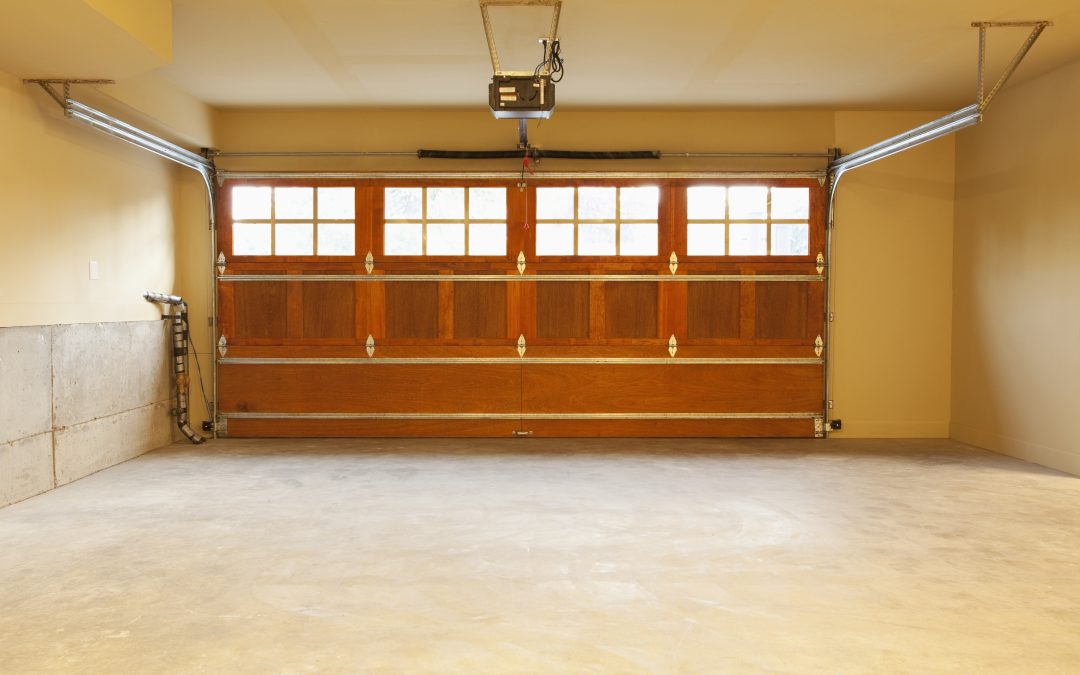
There's something satisfying about walking into an empty garage.
The boxes are gone. The old furniture has been removed. The tools, collections, and decades of accumulated belongings have all been dealt with. The floor is swept, and the space is ready for whatever comes next.
To someone who didn't see it before, it's just an empty garage.
But to the family who spent months wondering what to do with everything inside, it represents something much bigger.
Decisions have been made. Property has been evaluated. Things that needed to be sold have been sold. Other belongings have found new homes. And a project that once seemed overwhelming is finally behind them.
That empty garage represents progress. It represents a responsibility that no longer needs someone's attention.
That's what moving from chaos to clarity looks like.
Chaos Isn't Always About the Mess
When people hear the word chaos, they often picture a house packed with belongings, a garage full of boxes, or a basement where you can barely walk.
I've seen plenty of those situations over the years.
But some of the most complicated projects I've been involved with didn't necessarily involve a lot of stuff.
Sometimes the chaos comes from everything surrounding the property.
An executor trying to settle an estate while balancing work and family responsibilities. Adult children who live in different states and have different opinions about what should happen to their parents' belongings. A business owner who needs to liquidate equipment, close a facility, and move on to something else.
Or someone who's decided it's time to downsize but has no idea how to deal with everything they've accumulated over a lifetime.
There may be deadlines, financial considerations, legal responsibilities, and decisions that affect other people.
And while everyone agrees that something needs to be done, nobody is quite sure how to bring all the pieces together.
That's when even a relatively straightforward project can become overwhelming.
Sometimes the Biggest Problem Is Not Having a Plan
After more than twenty-five years in the auction business and over two decades in real estate, I've learned that people often call because they've reached a point where they don't know what else to do.
They've already talked about the situation with family members. They've considered different options. They may have even started working on the property.
But there are still unanswered questions, and every decision seems to lead to another one.
One person thinks everything should go to auction. Someone else wants to sell items individually. Another wants to clean everything out and put the house on the market.
Meanwhile, the bills keep coming, the property still needs attention, and the project isn't getting any closer to being finished.
I've found that one of the most useful things I can do during an initial conversation is help people sort through the situation and determine what they're really trying to accomplish.
Sometimes that means identifying what needs to happen first. Other times, it means explaining an option they hadn't considered or pointing out a potential problem before it becomes an expensive mistake.
And sometimes it means telling someone that the approach they've been considering may not be the best one.
People don't always need someone to agree with their first idea.
They need good information, an experienced perspective, and a plan that makes sense for their circumstances.
Turning a Complicated Situation Into a Manageable Project
One of the advantages of working in both auctions and real estate is that I get to see how different parts of a project affect one another.
The personal property may need to be sold before a house can be marketed. A business liquidation may involve equipment, inventory, and the real estate where the business operated. A downsizing project might depend on the timing of a home sale or a move into a smaller property.
Each situation has its own challenges.
But once we understand the objectives, we can begin working through the decisions in a sensible order.
What needs immediate attention? What can wait? Which assets need to be evaluated? Who has the authority to make decisions? What work needs to be completed before the property can move forward?
Some projects also involve attorneys, accountants, contractors, movers, or other professionals. Having a clear understanding of everyone's responsibilities can make a substantial difference.
My role is to help clients work through the auction, appraisal, and real estate aspects of the situation and coordinate with other professionals when needed.
That might sound simple, but there's a big difference between having five people working on five separate problems and having everyone understand how their work fits into the overall project.
Clarity gives people something they didn't have before: a direction.
And once there's a direction, it's much easier to make progress.
Progress Doesn't Always Happen All at Once
One thing I've noticed over the years is that people often underestimate how many individual decisions are involved in finishing a project.
A house doesn't go from full to empty overnight.
A business doesn't close its doors and magically dispose of its equipment and inventory.
An estate doesn't settle itself just because everyone agrees that the property needs to be sold.
There's work involved.
Some of it is obvious, like cataloging property for an auction, arranging for buyers to pick up their purchases, or preparing real estate for sale.
Other parts aren't nearly as visible.
There are conversations to have, decisions to document, schedules to coordinate, and unexpected issues to address along the way.
Not everything goes exactly as planned, either.
A property may need additional attention. A family may need more time to make a decision. Something may turn up that changes how certain assets should be handled.
Experience doesn't mean there will never be complications.
It means recognizing problems when they arise, understanding the available options, and adjusting the plan when necessary.
Over time, the list of things that need to be done starts getting shorter.
The important decisions have been addressed. Property has been sold or otherwise handled. The house is getting closer to being ready for its next owner.
What once seemed like an endless project begins to have a finish line.
The Best Part Is Seeing It Finished
I enjoy the auction business. I enjoy seeing bidders compete, watching the market determine what something is worth, and helping clients get their property sold.
And I enjoy the real estate side of the business, too.
But there's another part of this work that I find particularly satisfying.
It's seeing a project through to the point where the client can finally put it behind them.
Maybe it's an executor who can check another major responsibility off the list.
Maybe it's a couple who have downsized and no longer have to worry about maintaining a house and property they don't need.
Maybe it's a business owner who has sold the equipment, cleared the building, and can concentrate on the next chapter.
Or maybe it's simply walking into a garage that used to be packed with forty years of belongings and seeing nothing but a clean concrete floor.
Of course, an empty garage isn't proof that every legal, financial, or personal matter has been resolved.
But it can be a visible reminder of how much has been accomplished.
The decisions that once seemed impossible have been made. The work that kept getting put off has been addressed. And the people involved can finally turn their attention to something else.
The empty space isn't the goal. It's the visible result of getting things taken care of.
From Chaos to Clarity
Not every complicated situation has a complicated solution.
Sometimes the answer is an auction. Sometimes it's a traditional real estate sale. Sometimes it involves several different services working together.
And sometimes the first thing someone needs is simply a knowledgeable person who can look at the situation and help them figure out a practical way forward.
That's the role I want Hoffman Auctions to play.
Whether we're helping a family deal with an estate, assisting someone with downsizing, liquidating business assets, or selling real estate, the objective goes beyond completing a transaction.
It's about helping people make informed decisions, work through the challenges in front of them, and bring a difficult project to a successful conclusion.
If you're facing a situation that seems overwhelming, give me a call. You don't need to have everything figured out before we talk.
We'll discuss what you're dealing with, what you want to accomplish, and how we might be able to help.
Sometimes that first conversation is where the chaos starts to become manageable.
And eventually, there's an empty garage, a sold property, a completed project, or simply one less major responsibility hanging over your head.
That's a good feeling.
And it's one of the reasons I enjoy what I do.
Contact Hoffman Auctions to schedule a consultation.
Michael Hoffman
Hoffman Auctions | Auctions • Real Estate • Appraisals
“One Call. One Company. We Handle It All.”
www.HoffmanAuctions.com | 614-314-0298